What to Expect When Hiring Professional St. Louis Auto Shippers for Your Vehicle
Transporting a vehicle from one location to another can be a major responsibility, especially when the trip involves several hundred or several thousand miles. Instead of driving the automobile yourself, hiring professional St. Louis auto shippers can provide a practical solution for relocation, vehicle purchases, dealership transfers, family moves, and other transportation needs.
Professional vehicle transportation is designed to make the process more convenient, but customers should still understand how auto shipping works before booking a service. From requesting an estimate and selecting a transportation method to preparing the vehicle and completing the final inspection, each stage has its own requirements and considerations.
Knowing what to expect can help you ask better questions, compare transportation providers, prepare your vehicle properly, and avoid unnecessary surprises. This guide explains the typical auto shipping process and the important factors to consider when working with professional St. Louis auto shippers.
Why Hire Professional St. Louis Auto Shippers?
Driving a vehicle across multiple states can require substantial time and effort. A long-distance trip may involve fuel costs, lodging, meals, road tolls, vehicle mileage, traffic, weather, and physical fatigue.
Professional auto transportation provides an alternative by allowing a carrier to move your automobile while you focus on other responsibilities. This can be especially useful during a household relocation, when purchasing a car from another state, or when transporting a specialty vehicle.
People commonly hire professional vehicle shippers when they need to:
- Move a car during a long-distance relocation.
- Transport a newly purchased vehicle.
- Deliver a vehicle to an out-of-state buyer.
- Move multiple automobiles.
- Transport a classic or collector car.
- Send a vehicle to a family member.
- Avoid adding significant mileage to a vehicle.
- Move a vehicle that is difficult or impractical to drive.
The Auto Shipping Process at a Glance
Although procedures vary between transportation providers, the general process usually follows several stages:
- Determine your vehicle transportation needs.
- Research and compare auto shipping companies.
- Request transportation estimates.
- Choose the shipping method.
- Review the agreement and confirm the booking.
- Prepare the vehicle for transportation.
- Complete the pickup inspection.
- Monitor the vehicle during transit.
- Complete the delivery inspection.
Understanding each stage can help make the entire experience more predictable and manageable.
Step 1: Determine Your Vehicle Shipping Needs
Before contacting St. Louis auto shippers, gather basic information about your shipment. This allows transportation companies to provide more accurate estimates and determine what equipment may be appropriate.
You should know:
- The vehicle's make and model.
- The vehicle's year.
- Whether the vehicle is running.
- The pickup location.
- The delivery location.
- Your preferred pickup timeframe.
- Your preferred delivery timeframe.
- Whether the vehicle has modifications.
- Whether you prefer open or enclosed transportation.
Be honest about the vehicle's condition. If the automobile does not run, has steering problems, has low ground clearance, or has unusual dimensions, the carrier needs to know before the shipment is scheduled.
Step 2: Research Professional Auto Shippers
Choosing a transportation company is one of the most important parts of the process. Do not select a provider based solely on an advertisement or the lowest price.
Research several companies and compare their experience, services, customer reviews, communication practices, pricing policies, insurance information, and applicable credentials.
A reputable provider should be willing to explain its services and answer reasonable questions about the transportation process.
Step 3: Request Multiple Quotes
Once you have identified several potential providers, request detailed transportation estimates. Provide the same shipment information to each company so the quotes can be compared fairly.
Ask each company to explain what is included in the estimate. A quote should be understandable rather than simply presenting one number without context.

Important details to compare include:
- Total estimated transportation cost.
- Type of carrier.
- Pickup and delivery arrangements.
- Estimated transit timeframe.
- Insurance information.
- Potential additional charges.
- Payment requirements.
- Cancellation terms.
Why the Lowest Quote May Not Be the Best Choice
Price is naturally important when arranging vehicle transportation, but choosing the lowest quote without investigating the company can create problems.
An unusually low estimate may not include every cost or may be based on limited assumptions about the shipment. Ask whether additional charges can apply and under what circumstances.
Compare the overall service rather than focusing exclusively on price. A slightly higher quote may offer better communication, more appropriate equipment, clearer policies, or a transportation method that better suits your vehicle.
Step 4: Choose the Right Transportation Method
Professional auto shipping companies may offer different transportation options. The appropriate choice depends on the vehicle, route, budget, and desired level of protection.
Open Auto Transport
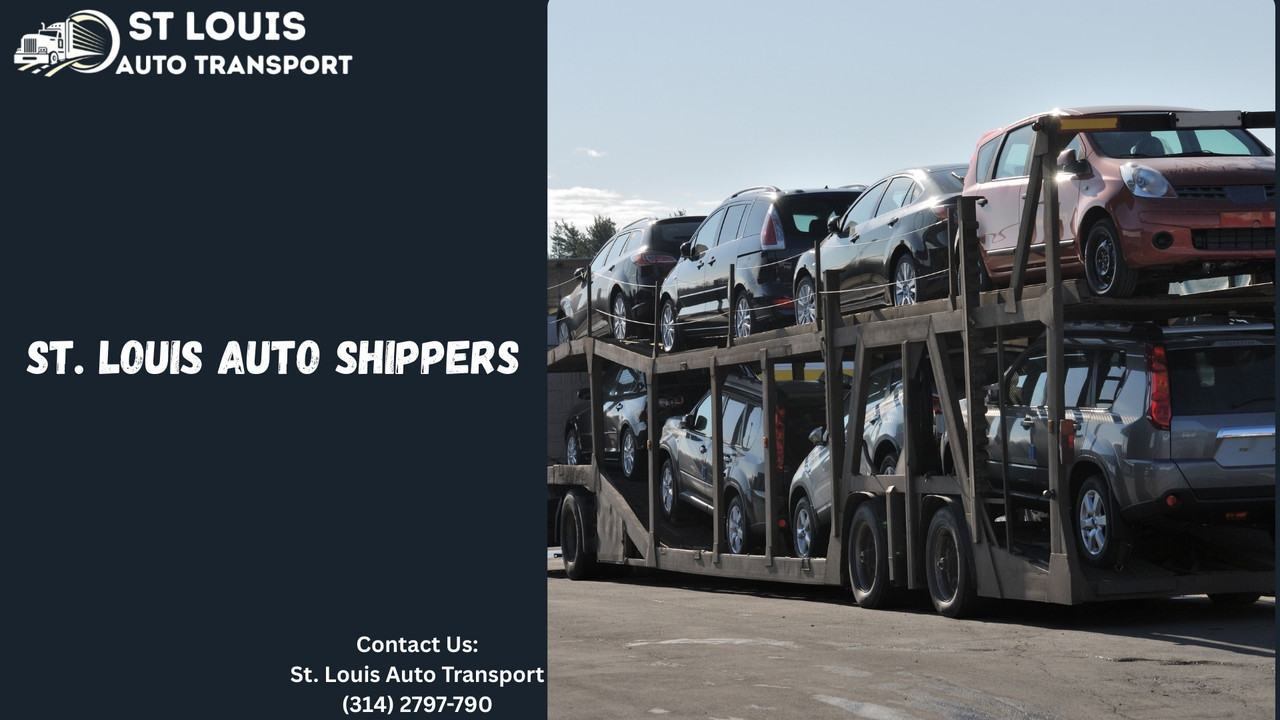
Open transport is a widely used option for standard automobiles. Multiple vehicles are transported on an open carrier, allowing the carrier to serve several customers along a route.
This method is often suitable for everyday cars, trucks, and SUVs. Vehicles transported on open carriers are exposed to normal outdoor conditions during transit.
Enclosed Auto Transport
Enclosed transport places vehicles inside a covered trailer. It provides additional St. Louis auto transport companies protection from outdoor exposure and road debris and may be appropriate for luxury, classic, exotic, collectible, or restored automobiles.
Because enclosed carriers are specialized and typically carry fewer vehicles, this option may cost more than open transportation.
Door-to-Door Auto Shipping
Door-to-door transportation is intended to make vehicle shipping more convenient by arranging pickup and delivery close to the requested addresses when practical.
However, customers should understand that large transport carriers cannot safely access every street. Narrow roads, crowded neighborhoods, low-clearance areas, traffic restrictions, and parking limitations can affect where the vehicle is picked up or delivered.
If the carrier cannot reach the exact address, the driver may arrange a nearby safe and accessible meeting point.
Terminal-Based Vehicle Transportation
Some transportation providers offer terminal-based services. With this option, the vehicle is dropped off and collected from designated locations.
This arrangement may be useful when direct residential access is difficult or when a customer prefers a terminal solution. Availability depends on the company and route.
Step 5: Verify Credentials and Insurance
Before hiring a transportation provider, ask for information about applicable operating authority, licensing, and insurance coverage. Vehicle owners should understand what protection applies during loading, transportation, and unloading.
Ask the provider to explain its insurance policy and claims process. Find out whether there are limitations or exclusions and what documentation is required if damage occurs.
A professional company should be comfortable providing clear answers about these issues.
Step 6: Review Customer Feedback
Customer reviews can help you understand what previous customers experienced during the transportation process. Look for recurring patterns rather than relying on one positive or negative comment.
Pay attention to reviews discussing communication, scheduling, vehicle handling, pricing, delivery, and customer support.
Repeated complaints about hidden charges, missed pickups, poor communication, or unexplained delays should encourage you to conduct additional research.
Step 7: Review the Transportation Agreement
Before confirming the shipment, read the written agreement carefully. Make sure the terms match what you discussed with the transportation company.
Review information about:
- Transportation price.
- Pickup and delivery arrangements.
- Payment requirements.
- Cancellation procedures.
- Insurance coverage.
- Vehicle inspection procedures.
- Damage claims.
- Potential additional charges.
If something is unclear, ask for clarification before signing or making the final arrangements.
Step 8: Prepare Your Vehicle
Vehicle preparation is an important part of the shipping process. Proper preparation can make inspection, loading, transportation, and delivery easier.
Follow your carrier's specific instructions, but common preparation steps include:
- Remove personal belongings.
- Remove unnecessary loose items.
- Check tire pressure.
- Make sure the battery is secure.
- Check for fluid leaks.
- Leave the recommended amount of fuel.
- Disable alarms if required.
- Remove or secure loose exterior accessories.
Remove Personal Belongings
Unless the transportation company specifically allows personal items, remove belongings from the vehicle before pickup.
Items left inside the automobile can shift during transit and may not have the same protection as the vehicle itself. Removing unnecessary property also makes it easier to inspect the automobile.
Document Your Vehicle Before Pickup
Before the carrier arrives, thoroughly document the automobile's existing condition. Take photographs from multiple angles and capture close-up images of existing scratches, dents, chips, wheels, bumpers, mirrors, and other visible areas.
Record the mileage and review the carrier's inspection report carefully during pickup.
Keeping detailed documentation gives you a useful reference when examining the vehicle at delivery.
Step 9: Confirm the Pickup Details
Before pickup day, confirm the transportation company's contact information, estimated pickup window, meeting location, and any preparation requirements.
Make sure someone is available to release the vehicle or confirm whether the company permits an authorized representative to handle pickup.
If the carrier cannot access your street, arrange an alternative location in advance rather than waiting for the driver to arrive.
Step 10: Complete the Pickup Inspection
When the carrier arrives, the vehicle will generally be inspected before loading. The driver or representative may document the automobile's condition and note existing damage.
Review the inspection documentation carefully. If something is missing or inaccurate, address it before the vehicle is loaded.
Once the inspection is complete, the vehicle is prepared and secured for transportation.
Step 11: Understand the Transit Period
After pickup, your vehicle begins its journey to the destination. Transit time depends on several factors, including distance, traffic, weather, route conditions, carrier schedules, and other logistical considerations.
Customers should generally expect a delivery window rather than an exact arrival hour. Professional transportation providers should communicate significant schedule changes when they occur.
Shipment Tracking and Updates
Different St. Louis auto shippers use different methods to communicate during transit. Some offer online tracking, while others provide updates by phone, text message, or email.
Before booking, ask how updates are provided and whether you will receive information when the vehicle is picked up, when it is in transit, and when delivery is approaching.
Step 12: Prepare for Delivery
As the vehicle approaches its destination, confirm the delivery location and expected timeframe. Make sure you or an authorized representative will be available.
If the delivery location has restricted access, discuss alternative arrangements with the provider before the driver arrives.
Step 13: Inspect Your Vehicle at Delivery
When the vehicle arrives, inspect it carefully before completing the delivery process. Compare its current condition with the documentation created during pickup.
Check visible areas such as:
- Hood and roof
- Doors and body panels
- Bumpers
- Wheels and tires
- Windows and mirrors
- Lights
- Other exterior components
If you identify new damage, photograph it and follow the carrier's claim procedures.
Understanding the Damage Claim Process
Before booking, ask the transportation company how damage claims are handled. Knowing the process ahead of time can help you respond efficiently if an issue occurs.
Keep your pickup inspection report, delivery documentation, photographs, contract, and relevant communications. These records may be useful when reporting a problem.
What Can Affect Your Auto Shipping Timeline?
Several factors can affect pickup and delivery schedules. Understanding these variables can help you set realistic expectations.
Distance
Longer routes naturally require more travel time. Cross-country shipments generally take longer than regional or local transportation.
Weather
Severe weather can affect roads, carrier safety, and delivery schedules. Transportation companies may adjust routes or timing when necessary.
Traffic and Construction
Traffic congestion, road construction, closures, and accidents can affect carrier schedules.
Carrier Availability
Vehicle transportation depends on available carriers traveling suitable routes. Scheduling flexibility can be helpful when arranging a shipment.
Factors That Influence Auto Shipping Prices
Customers often want to know why two transportation providers may provide different estimates. Pricing can vary because of several shipment-specific factors.
Distance
The route between pickup and delivery locations is a major pricing factor.
Vehicle Size
Larger automobiles may require more carrier space and resources.
Vehicle Condition
Non-running vehicles may require additional loading equipment.
Shipping Method
Enclosed transportation may cost more than open transportation because of its specialized equipment and additional protection.
Location Accessibility
Difficult-to-access pickup or delivery locations may require additional planning or alternative meeting points.
Seasonal Demand
Carrier availability and demand can change throughout the year, affecting scheduling and potentially pricing.
Common Red Flags When Hiring Auto Shippers
Customers should remain alert for warning signs when comparing transportation providers. Potential red flags include:
- An unusually low quote with no clear explanation.
- Unclear or inconsistent pricing information.
- Pressure to book immediately.
- Difficulty obtaining insurance information.
- Unclear cancellation policies.
- Repeated complaints about communication.
- Vague pickup or delivery information.
- Refusal to provide written details.
A trustworthy transportation company should provide clear information and allow customers to understand the service before making a commitment.
Questions to Ask St. Louis Auto Shippers
Before hiring a provider, prepare a list of questions to make the comparison process easier.
- How long have you been providing vehicle transportation services?
- Do you regularly serve the St. Louis area?
- What transportation options are available?
- Do you offer enclosed transportation?
- What is included in the quoted price?
- Can additional fees apply?
- What insurance coverage applies to my vehicle?
- How is vehicle condition documented?
- What is the estimated pickup window?
- What is the expected delivery timeframe?
- How will I receive shipment updates?
- What happens if the carrier cannot access my address?
- What is your cancellation policy?
- How do you handle damage claims?
- What preparation is required before pickup?
Special Considerations for Classic and Luxury Vehicles
Owners of classic, luxury, exotic, or collectible vehicles may have additional concerns. These automobiles may require more careful handling, specialized equipment, or additional protection.
Ask potential St. Louis auto shippers whether they have experience transporting similar vehicles. Discuss enclosed shipping, loading procedures, insurance, inspection documentation, and any vehicle-specific requirements.
Take extensive photographs before pickup and retain all inspection documentation.
Transporting a Non-Running Vehicle
Non-running automobiles can often be transported, but they require additional planning. Tell the transportation provider if the vehicle cannot start, steer, brake, or roll normally.
Special loading equipment may be necessary. Accurate information allows the company to prepare the appropriate equipment before pickup.
Transporting Multiple Vehicles
If you need to move several automobiles, provide information about each vehicle when requesting a quote. The carrier needs to understand the number, size, condition, and special requirements of the vehicles.
Depending on availability and route planning, the vehicles may be transported together or through separate arrangements.
How to Make Your Auto Shipping Experience Easier
Organization can significantly simplify the process. Keep your transportation documents, inspection records, payment information, contact details, and schedule in one place.
Prepare the vehicle before pickup day and confirm the meeting location in advance. Make sure the carrier has accurate information about the vehicle and any special requirements.
At delivery, allow enough time to inspect the automobile carefully rather than rushing through the process.
Benefits of Hiring Professional Vehicle Shippers
Professional vehicle transportation offers several potential advantages over driving a vehicle yourself. It can save time, reduce the burden of long-distance travel, and provide a structured process for moving the automobile.
For people relocating, professional shipping can separate vehicle transportation from the rest of the moving process. For buyers and sellers, it can make transactions involving distant vehicles more convenient.
Specialty vehicle owners can also choose transportation methods designed around the needs of valuable or carefully maintained automobiles.
Local, Interstate, and Long-Distance Shipping
St. Louis auto shippers may provide transportation for different types of routes. Local moves can involve dealerships, repair shops, homes, storage facilities, and nearby destinations. Interstate moves connect Missouri with other states, while long-distance transportation can involve cross-country routes.
The farther the vehicle travels, the more important scheduling, communication, route planning, and preparation become. Customers should allow reasonable flexibility for long-distance deliveries.
Final Auto Shipping Checklist
- Determine your pickup and delivery locations.
- Research multiple auto transportation companies.
- Request comparable quotes.
- Review pricing and potential additional charges.
- Verify applicable credentials and insurance information.
- Choose open or enclosed transportation.
- Confirm pickup and delivery windows.
- Review the written agreement.
- Prepare the vehicle.
- Remove personal belongings.
- Photograph existing vehicle damage.
- Complete the pickup inspection.
- Keep communication and shipping documents.
- Inspect the vehicle at delivery.
- Document and report any new damage promptly.
Conclusion
Hiring professional St. Louis auto shippers can make vehicle transportation more convenient, particularly when moving an automobile across the city, between states, or over a long distance. However, a successful shipment depends on choosing an appropriate provider and understanding what to expect throughout the process.
Start by identifying your transportation needs, researching providers, comparing detailed estimates, and verifying applicable credentials and insurance. Choose a transportation method that fits your vehicle and protection requirements, then review the agreement carefully before booking.
Contact Us:
St. Louis Auto Transport
(314) 2797-790